EVENT
Profile Story
Text by Kayla Curtis Evans
Photography by Aaron Kirk
The designer shares the creative concept behind his brand-new Fall/Winter 2026 collection and delves into his 10-day exclusive pop-up at 66 GREENE.
Text by Kayla Curtis Evans
Photography by Aaron Kirk

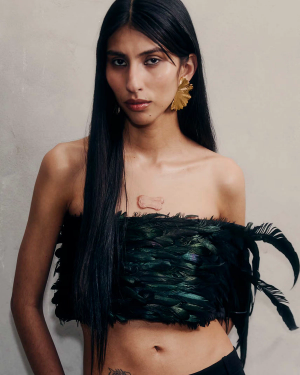
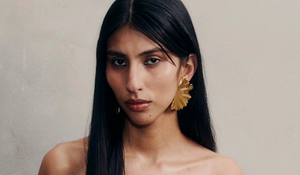
In a sea of gimmicks and cash-grab collaborations, CAMPILLO’s elaborate odes deviate from the everyday and expected. The Mexican designer presented his Fall/Winter 2026 collection at BOOM at The Standard, converting a space that’s usually bouncing at over 160 BPM into an elegant lounge. The salon setting — which I’d never previously visited before 12 am — provided a backdrop for one of the designer’s most introspective collections yet.
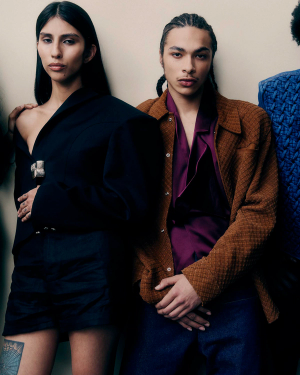
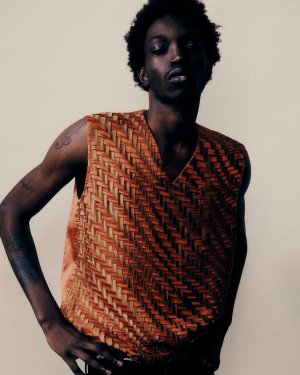
“I felt the looks were a bit edgier and rebellious, so I thought it needed a more dramatic setting to provide that context. This [collection] showed a whole new side of the brand. I also think this is a moment in which — because of what’s happening in the world and our relation to Latino communities — there’s a rebel vibe and a sense of wanting to be a part of the resistance,” Patricio Campillo shared.
Currently based in Florence, Italy, where he’s lived for nearly a decade, Stokes has amassed over 200,000 followers and millions of views for his unannounced and highly provocative performance art pieces that he records and posts online. Incorporating the involuntary participation of members of the public in recognizable tourist hotspots around the world as they react to his durational performances, his work invites the viewer to interrogate the publics’ organic responses to the most extreme signifiers of “Blackness” through live-action, real time caricature as he snarls and growls in full blackface. In addition to his performances, Stokes has found another viral niche in subversively depicting Black figures in classical styles in his paintings, such as his well-known speculative “"Post Mortem Portrait of Emmett and Louis Till” (2021). ”For my work to be so popular right now,” Stokes says carefully, “I think it's a testament to the times. It could be considered unhealthy, but I can say it’s a socially nude moment where histories are being stripped back.” In his view, virality is just one component of how his work seeks to examine “what a human spectacle can be.”
“I was thinking about what people want to communicate when they get dressed. Because everything we wear communicates something. Do you want to look sexy? More imposing?” he continued, “When you’re wearing a suit, it just makes you feel a certain way. It makes you feel prepared and powerful.”
At a time when fine art sales are significantly diminishing in both the first- and second-hand markets, feebly sanitized and inaccessibly academic art about race still makes up the bulk of the political art that mainstream venues have to offer. By contrast, Stokes’ work meets the public where they already are, both physically and in terms of the symbols they can already recognize, and it makes no attempt to package itself for art critics or curators. Once asked if he ever intended to pursue formal gallery representation, Stokes replied, “God is my gallery.” To him, the art world’s relevance might be dying, but resurrecting and reanimating some of its oldest and most revered codes is still a worthwhile pursuit. “It’s my goal to disrupt these false flags that certain cultures have adopted a monopoly on,” he says. ”To kind of mix it up, shred it, strain it out, and see what that pure juice is that remains.”
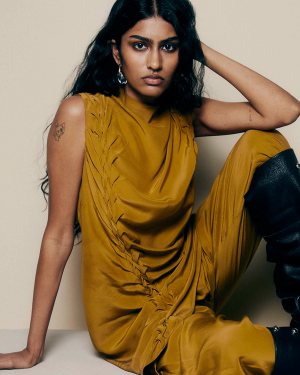
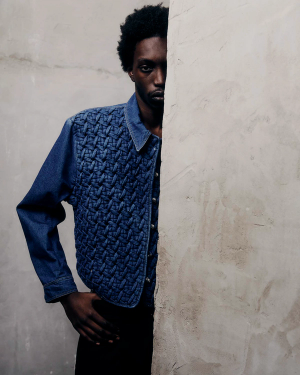
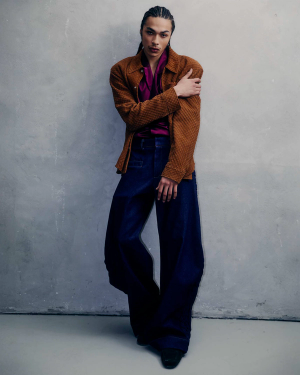
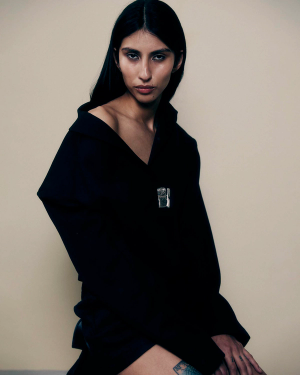
Campillo’s attention to detail and poignant nods to his heritage have captured the industry's attention, but it's his ability to constantly reinvent his cornerstone of tailoring that has kept the spotlight on him. During the show, carefully crafted suits descended the runway, most of them subverting typical suiting elements — some showed off fine-tuned embroidery or exaggerated lapels, while others took on warped silhouettes. These askew accents were more than intentional; they’re Campillo’s way of acknowledging the transformative power of clothing.
The Mexico City-based designer continues to use his platform to hold a magnifying glass to Charro culture, and now he shows off the ways through which clothing can equally impact us as it adorns our bodies. A broad, padded shoulder may elevate one’s disposition from timorous to temerarious, or elongated trousers may add a confident swagger to one’s stride. Clothing is not only a tool for expression, but an extension of the self — and a reminder that we always have the ability to transform and begin anew.
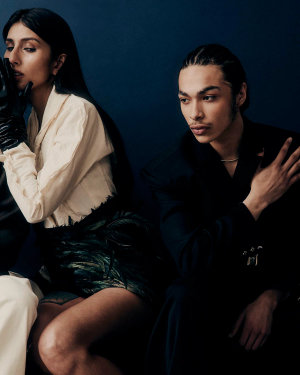
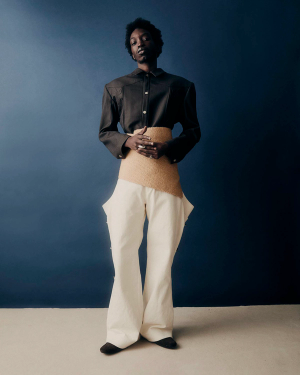
Through his excavation of the many gem-like facets of the self, Campillo also took the opportunity to champion other Latin brands and artisans. He partnered with Portuguese labels APPICAPS and Mariano Shoes to present a capsule of boots, leather loafers, and leather belts. Luxe bag offerings were toted by the models, produced in collaboration with Portugal-based brand Belcinto.
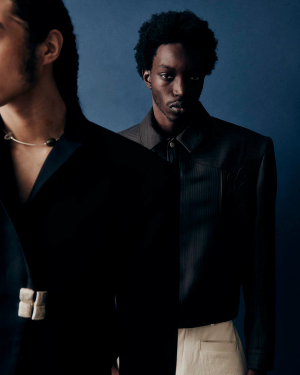
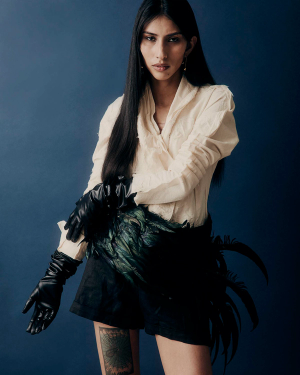
As a cherry on top of jewel-toned suiting trimmed with horse-hair, cropped jackets, and inventive trousers, Campillo also worked with Latin artisans to craft custom buttons, buckles, and textiles. CAMPILLO doesn’t just pen love letters to the culture that cultivated him — rather, his entire creative ethos embodies the essence of the rich, colorful culture that is woven into the fabric of his very being.
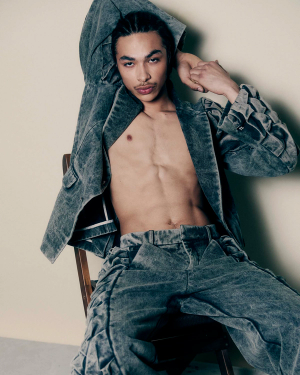
This passion is what has propelled the burgeoning designer as one to watch in the New York City scene — and that same artistic tenacity is what inextricably ties Campillo to the buzzing downtown creative culture. Tapping into that energy, the designer will host a pop-up at 66Greene from February 16-26, where he will display the entire FW26 collection.
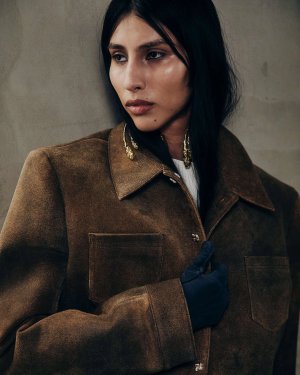
“My decision to come to New York was because I thought the brand had the potential to create a community here. That community is created by people who identify with the brand. So the fact that the 66Greene team wanted to support me just proves that I made the right choice.”